8 vibrant folk dances of Meghalaya
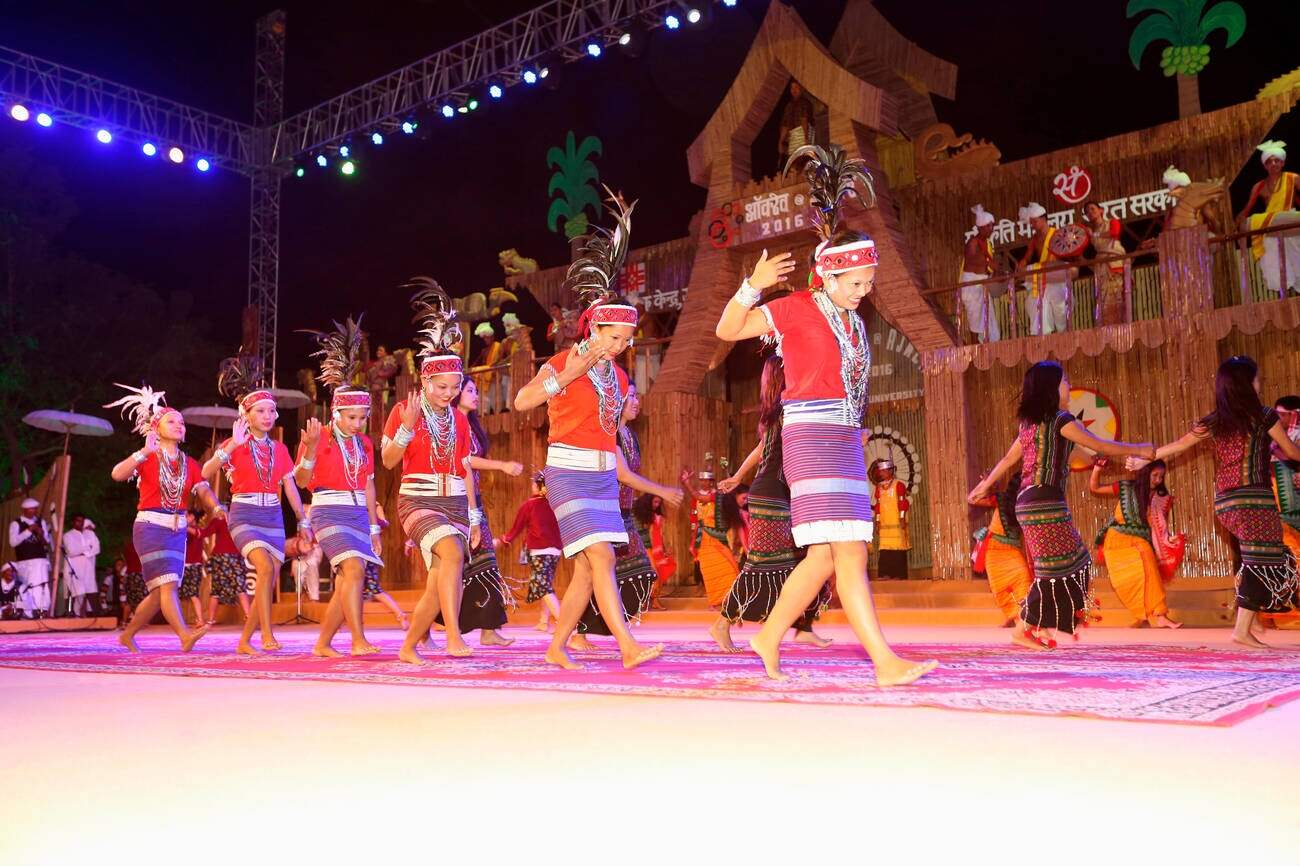
Welcome to the vibrant world of folk dances of Meghalaya, where tradition meets rhythm in a celebration of culture and community. Lodged in the northeastern region of India, Meghalaya brags a rich tapestry of ethnic diversity, each group contributing its unique dance forms to the cultural mosaic of the state.
One of the most fascinating aspects of the folk dances of Meghalaya is their deep-rooted connection to nature and everyday life. From the graceful movements of the Shad Suk Mynsiem, also known as the 'dance of the joyful heart,' to the energetic steps of the Wangala, performed during the harvest festival to honor the Sun God, each dance tells a story of ancient beliefs and customs.
Folk dances of Meghalaya are not just performances; they are living traditions passed down through generations, preserving the essence of indigenous identity amidst modernity. With colorful costumes, rhythmic beats of drums, and intricate footwork, these dances transport spectators to a world where time-honored rituals come alive.
Join us on a journey to explore the mesmerizing rhythms and cultural heritage of folk dances Meghalaya where every step is a testament to the spirit of a vibrant community united in celebration and tradition.
Most famous folk dances of Meghalaya-
1. Shad Suk Mynsiem:
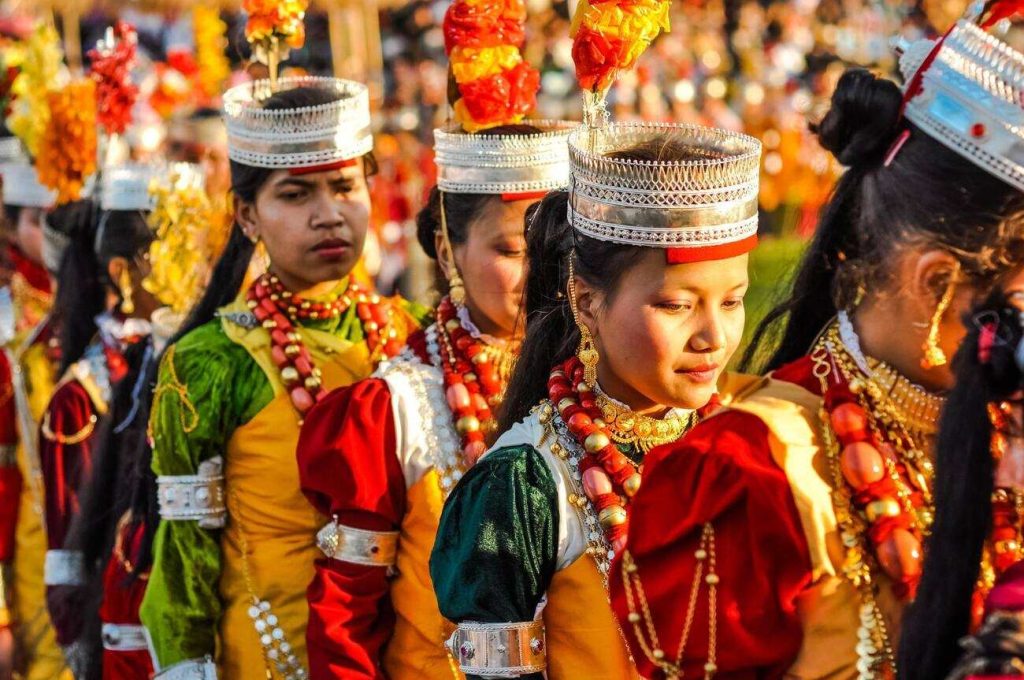
Shad Suk Mynsiem, a famous folk dances of Meghalaya, also known as the "dance of the joyful heart," is a mesmerizing celebration of happiness and community spirit in Meghalaya. The Meghalaya’s dance is famous for its graceful movements and vibrant costumes, this dance honours the goddess Ka Blei Synshar, symbolizing gratitude for a bountiful harvest. Its significance lies in fostering unity among the Khasi people, promoting social cohesion and cultural pride. With rhythmic beats and joyful leaps, Shad Suk Mynsiem embodies the essence of Meghalaya's cultural heritage, captivating spectators with its infectious energy and timeless charm.
2. Wangala:
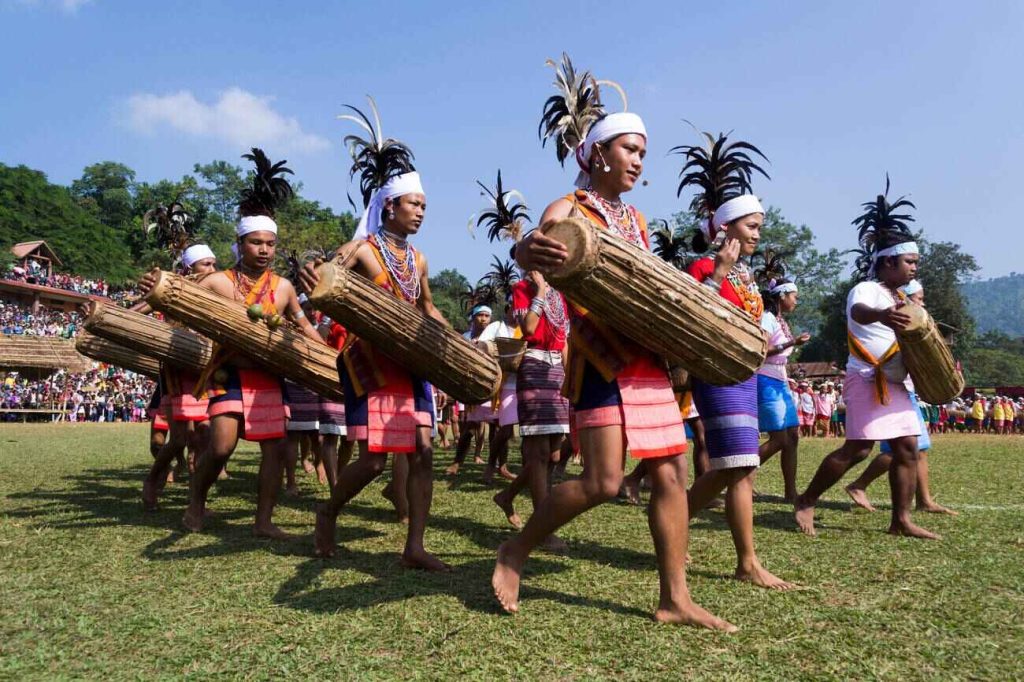
Wangala, the harvest dance of the Garo tribe, is a folk dances of Meghalaya, it is a rhythmic ode to nature's bounty and the spirit of thanksgiving. Famous for its colorful attire and energetic performances, Wangala marks the onset of the agricultural season, invoking blessings from the Sun God for a fruitful harvest. Its significance lies in reinforcing the bond between humans and nature, promoting agricultural prosperity and community solidarity. With pulsating drumbeats and exuberant dances, Wangala fills the air with joy and gratitude, embodying the essence of Meghalaya's agrarian culture and traditional values.
3. Lahoo Dance:
Lahoo Dance, a folk dances of meghalaya is a vibrant expression of joy and festivity among the Jaintia tribe, captivates audiences with its lively rhythms and intricate footwork. Famous for its dynamic movements and elaborate costumes, Lahoo Dance celebrates important life events such as weddings and festivals. Its significance lies in promoting cultural identity and social harmony, strengthening bonds within the community through shared traditions and collective celebrations. With its infectious energy and spirited performances, Lahoo Dance brings people together, fostering a sense of belonging and pride in Meghalaya's rich cultural tapestry.
4. Doregata Dance:
Doregata Dance, a folk dances of meghalaya is a rhythmic spectacle among the Garo tribe, enchants with its dynamic movements and vibrant costumes. Famous for its depiction of mythical tales and heroic feats, Doregata Dance celebrates bravery and valor in Garo folklore. Its significance lies in preserving cultural heritage and transmitting ancestral wisdom to future generations. Through spirited performances and storytelling, Doregata Dance fosters a sense of pride and identity, uniting the Garo community in a shared appreciation of their rich cultural legacy.
5. Behdienkhlam:
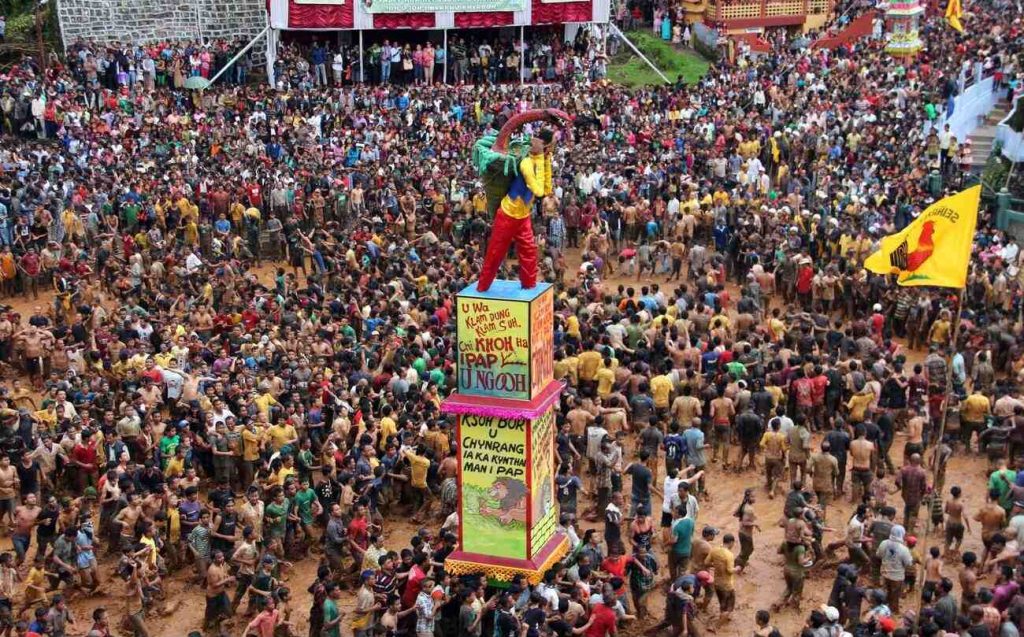
Behdienkhlam, a lively festival folk dances of meghalaya ( Pnar tribe ), radiates with joy and exuberance, marking the triumph of good over evil and the renewal of life. Famous for its rhythmic beats and synchronized movements, Behdienkhlam commemorates the eradication of epidemics and invokes blessings for prosperity and well-being. Its significance lies in promoting communal harmony and spiritual rejuvenation, strengthening the bonds between people and their environment. With its vibrant colors and infectious energy, Behdienkhlam illuminates Meghalaya's cultural landscape, embodying the resilience and optimism of its people.
6. Pomblang Nongkrem:
Pomblang Nongkrem, the festival folk dances of meghalaya ( Khasi tribe ), evokes a sense of reverence and mystique, celebrating the spiritual legacy of Meghalaya's indigenous communities. Famous for its intricate choreography and elaborate rituals, Pomblang Nongkrem honors the ancestral deities and seeks their blessings for prosperity and abundance. Its significance lies in preserving age-old traditions and reinforcing the spiritual connection between humans and the divine. With its solemn elegance and profound symbolism, Pomblang Nongkrem illuminates the cultural heritage of Meghalaya, inviting spectators to witness the timeless beauty of tradition.
7. Shad Nongkrem:
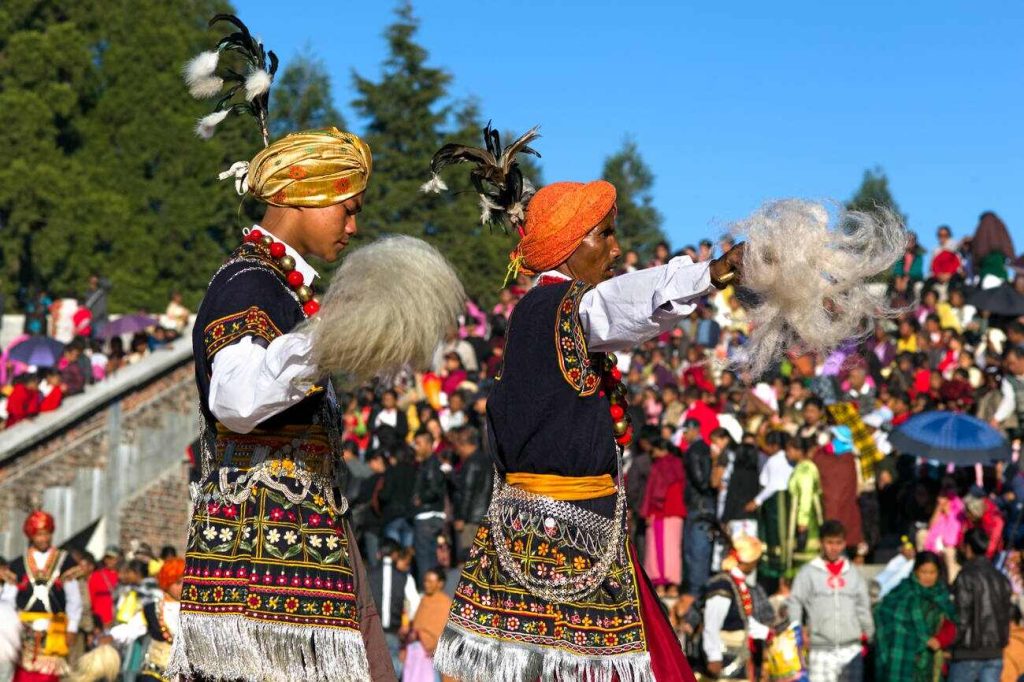
Shad Nongkrem, a traditional folk dances of meghalaya (Khasi people), embodies the spirit of reverence and devotion, paying homage to the benevolent deities for their blessings and guidance. Famous for its graceful movements and melodious tunes, Shad Nongkrem is performed during the annual Nongkrem Festival, celebrating the harvest season and expressing gratitude for nature's abundance. Its significance lies in fostering a deep sense of spirituality and cultural pride among the Khasi community, reaffirming their connection to the land and its mystical forces. With its ethereal charm and spiritual resonance, Shad Nongkrem transports spectators to a realm of divine harmony and celestial grace.
8. Shad Kynjoh:
Shad Kynjoh, a traditional dance form of the Khasi tribe, pulsates with energy and vitality, symbolizing the resilience and dynamism of Meghalaya's indigenous culture. Famous for its spirited performances and intricate footwork, Shad Kynjoh celebrates the joys of life and the triumph of the human spirit over adversity. Its significance lies in promoting social cohesion and communal harmony, uniting people through shared experiences of music, dance, and festivity. With its infectious rhythms and joyful exuberance, Shad Kynjoh epitomizes the vibrant spirit of Meghalaya's cultural heritage, inspiring awe and admiration in all who witness its jubilant expressions.
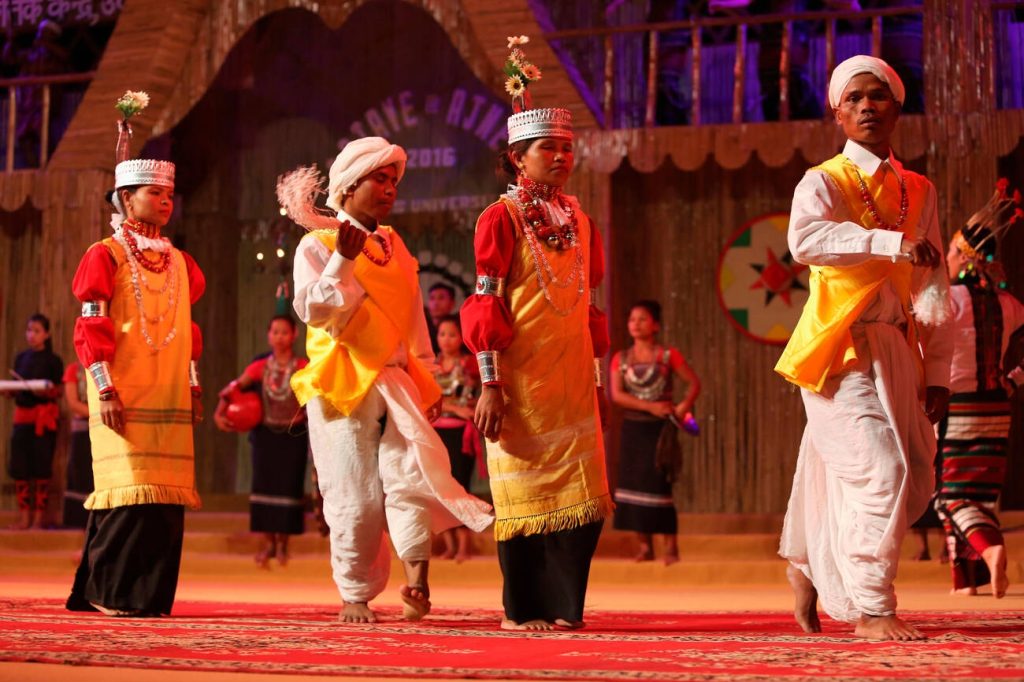
In conclusion, the folk dances of Meghalaya serve as captivating windows into the state's rich cultural tapestry. From the rhythmic beats of Wangala to the graceful movements of Shad Suk Mynsiem, each dance form embodies the essence of tradition, unity, and celebration, preserving the vibrant spirit of Meghalaya's heritage.
You can also read 8 Fun Nagaland Festivals You Can’t Afford Missing!
FAQs
What is the main folk dance of Meghalaya?
What is the dance festival of Meghalaya?
What is the dance of the Khasi tribe?
What is the traditional music of Meghalaya?
Which is the oldest folk dance?
Keep reading