Hornbill Festival and Dzukou Valley Trek
Overview
Overview
Why you should experience Hornbill Festival and Dzukou Valley Trek In Nagaland?
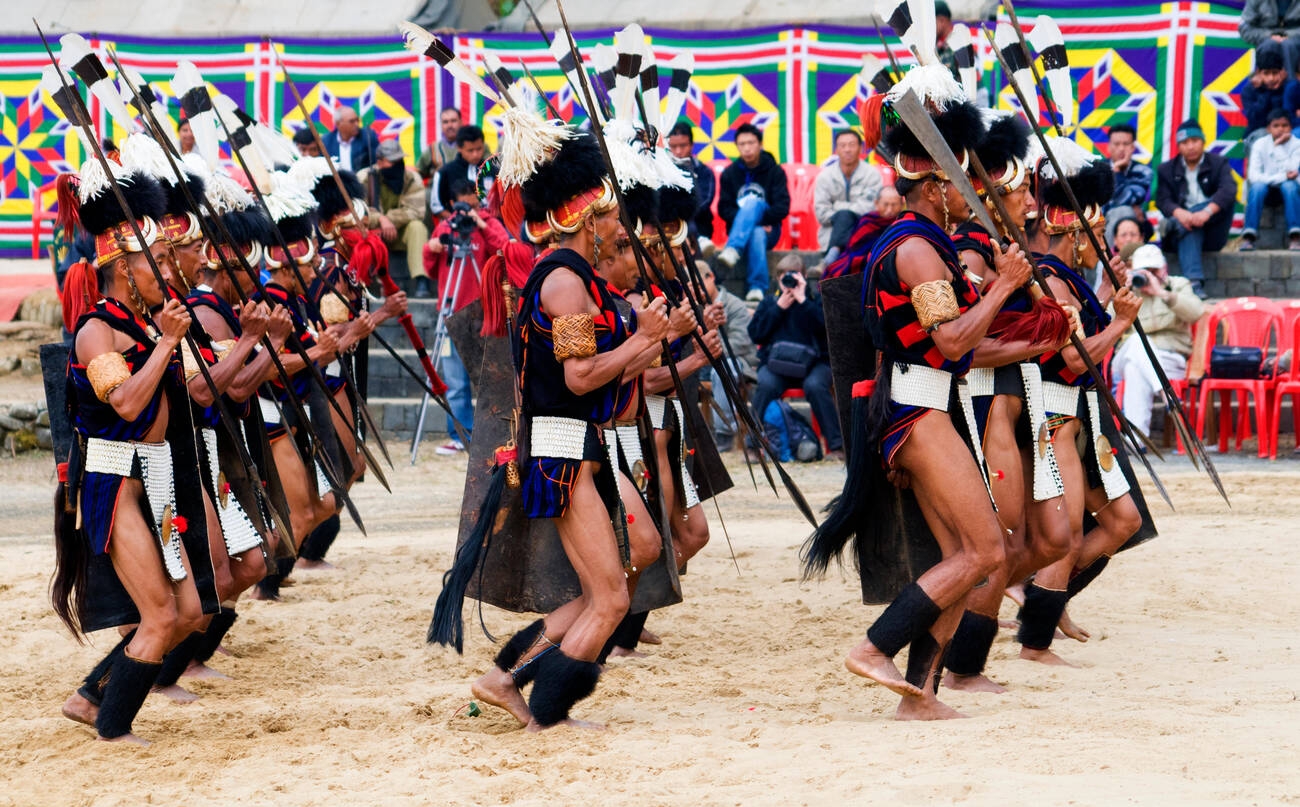
Hornbill Festival is a ten-day cultural extravaganza held every December 1-10 to encourage, nurture, and promote Naga tribes and people’s rich, dynamic, and diversified culture. It is the land of mythology and myths, as well as the valiant warriors and hunters lauded in the land’s folk songs. It is organised by the State Government of Nagaland and is the oldest festival of its kind among all the states of Northeast India, having started in the year 2000.
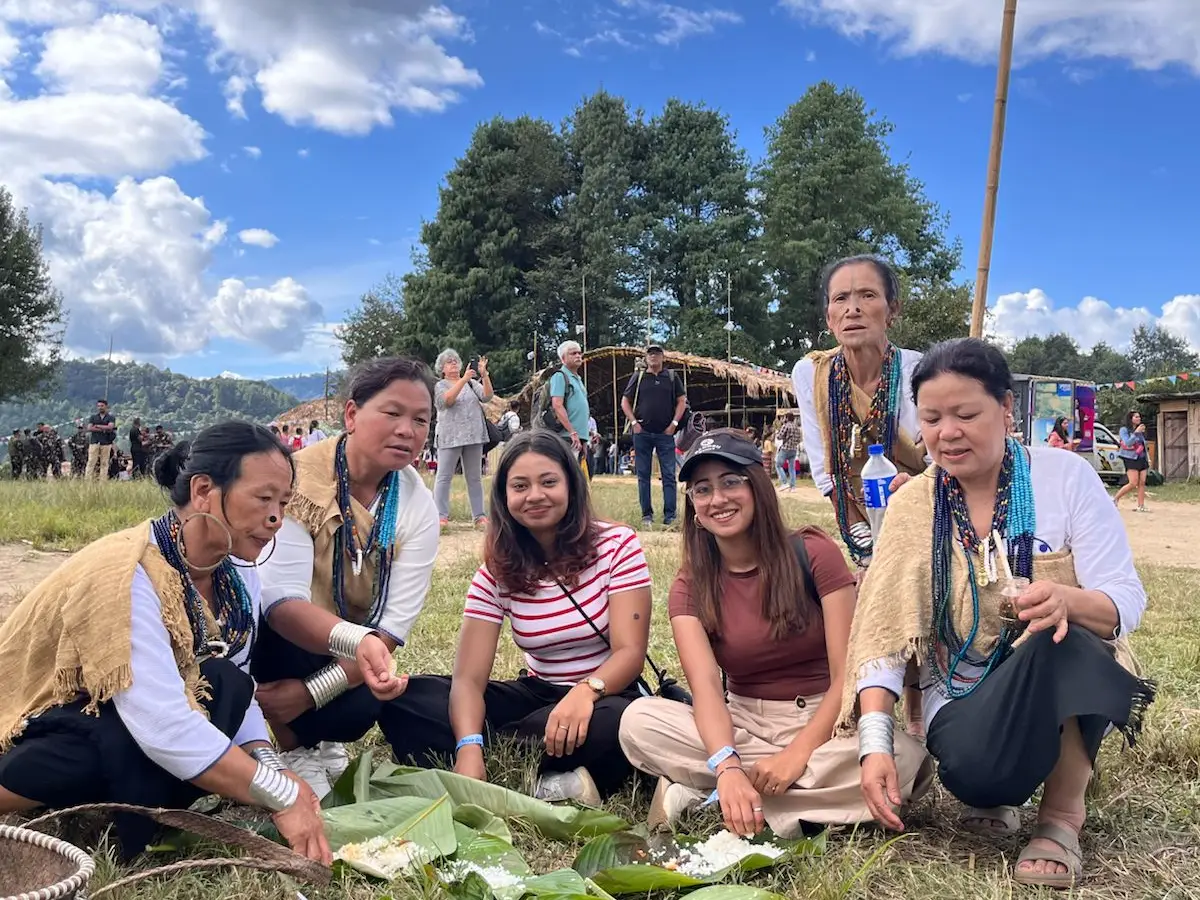
Every year in the month of December, the state celebrates this age-old celebration. For those who are unaware, this is one of Nagaland’s major indigenous warrior tribes’ ceremonies. The Nagas have a long history of preserving their culture and traditions. Travellers from all over the world go to this festival to experience the tribe’s uniqueness and spend time with the inhabitants to learn about their culture firsthand. The Hornbill festival is held at the Naga Heritage Village in Kisama, located around 12 kilometers from the capital of the Nagaland, Kohima.
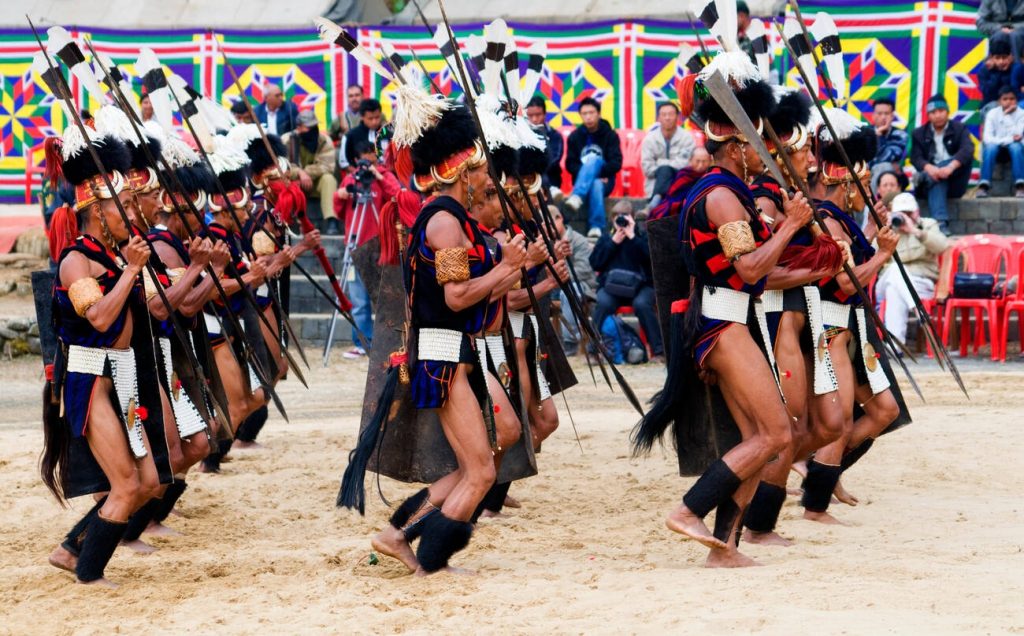
Hornbill, as the name implies, is the name of a bird that has long been depicted and revered by the Nagas. The importance of this bird is depicted in the traditions and songs sung throughout the event. Naga people and warriors utilized the feathers of this bird to embellish their headgears. The government attempted to encourage people not to hunt these birds and instead protect them, but all of their efforts were futile.
This species of bird was on the verge of extinction due to widespread hunting, which was a wake-up call for Nagas. Since the festival was first held in the year 2000, it featured folk songs and dancing, traditional games, and even songs from their conflicts while today, it is a great event that attracts people from all over the world to participate.
Why special in Dzukou Valley trek ?
The Dzüko Valley is a place located in borders of the state of Nagaland and Manipur in the Southern Angami region of Northeast India. This valley is well known for its natural environment, seasonal flowers and flora and fauna. It is situated at an altitude of 2452 m above sea level. Major flora found in the valley is the strong bamboo brush, but the main feature is the plethora of seasonal flowers that bloom every summer. Two freezing cold rivers, Dzukou and Japhu, flow through the valley, crossing each other’s paths and adding to the overall splendour of the place.
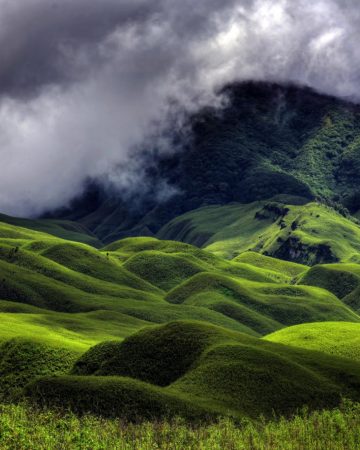
The word Dzüko Valley comes from the Viswema dialect of the Angamis, where ‘Dzüko’ loosely translates to ‘Soulless and Dull,’ referring to when some Viswema ancestors who migrated out to create a new village in Dzüko were unable to gather crops owing to bad weather circumstances which led them to say “the valley is very beautiful but is dull and soulless.”
The Dzukou valley trek is an easy to moderately difficult trek which is suitable for any healthy person. It is one of the finest valleys and an iconic natural tourist area in Northeast India. Although the best season to visit is from October to May, even the monsoon season, which is from June to September, is great for visiting . Around that time, you may expect to see colourful and fresh seasonal flowers like Dzukou lily, which is indigenous to Nagaland, aconitum, euphorbia, and multi-colored rhododendrons blooming all over the valley. Fauna including the Asian golden cat, the Hoolock Gibbon, the Dzuko Valley horned toad (Megophrys dzukou), several other species of animals like the clouded leopard, the Asiatic black bear, the capped langur are found.
There are two ways to get to Dzukou Valley. The route through Zakhama Village is shorter, steeper, and more challenging, and is normally preferred by experienced hikers. Viswema Village is the lengthier route, which has relatively easier ascents and descents.
Day by day
Itinerary
- 1
Gather and meet at Kohima taxi Stand
After reaching Kohima, you will head to Camping ground. Check in and get fresh. Have some food and you can rest a bit.
Head out to festival ground. Enjoy the cultural event, local foods and tribal huts.
The evening is going to be a different experience for you. Enjoy the live program and have the local foods in the tribal houses of the communities.
The program will be over by 8-8:30pm. Come back to your tents and settle for the night and call it a day.
- 2
Enjoy Hornbill
After you have your breakfast, head to the festival ground.
It’s a big festival and lots of things to explore for you. There will be various sports, dances, exhibitions etc going on in different grounds. Also, do not forget to have the local foods there and rice beer with the locals.In the evening, enjoy the cultural night. The crowd is safer than any parts of the country.
Come back to your tents and call it a day.
- 3
Trek to Dzukou Valley
This morning you will be picked up from your stay after breakfast and taken to Jakhama from where you will collect your tents, sleeping bags and lunch. If you have any extra luggage, you can keep in the homestay and move further. The guide will accompany you.
Once you are there in the starting point, you will start your trekking. After reaching the first base, have your lunch and resume your journey.
Reach campsite by afternoon and pitch your tents. Settle down a bit and the guide will prepare dinner for you. Join him in the process and indulge in storytelling.
After dinner, sleep tight and call it a day.
- 4
Head to the heart of the valley and Return
This day, you will explore the entire valley. After breakfast, the guide will take you to the mid of the valley. After a lot of enjoyment, trek back to Jakhama. After having lunch, you will be dropped to Kohima from where you can head back home.
Traveller stories
What our travellers say
"The oddesemia tour operator is genuine and we had a pleasant trip of Meghalaya for the booking of hotels and transportation by them Keep doing the good work"
"We joined Tawang bike ride expedition. Joy and his team organised the trip very well. Especially managing people for 14 year old to 60 years old is not an easy task. Managing riders and travellers in TT / car has been done very well. "
"I went to Ziro festival through Oddessemania. It was a really good trip and they were excellent hosts. Highly recommended."
"One of the best Spiti Trip we have experienced. From Stay to transportation everything is really good. "
What's covered
Includes & Excludes
Includes
- Inner Line Permit.
- Pick-up and drop from Kohima to Kohima.
- Breakfast every day.
- Accommodation in twin sharing tents.
- Nearby toiletries.
- Local guide.
- Accommodation in tents in twin sharing tents.
- Three times meal in Dzukou valley.
- Firewood.
- Kitchen and utensils.
Excludes
- Airfare charges
- All food & beverages cost apart from the ones mentioned above
- Trekking shoes and clothing (Any personal equipment)
- Any camera fees
- Hotel & driver tips if any, (since the locals earn low wages, your tips can show your appreciation)
- Entry ticket fees to Museums, Parks, etc.
- Any personal expenditure (Toiletries, medicines, etc.)
- Cost incidental to any change in the itinerary/ stay on account of flight cancellation due to bad weather, ill health, roadblocks and/or any factors beyond control.
- Any Extra Sightseeing on request
- Anything not specifically mentioned under the head "Inclusions”
Before you book
Cancellation policy
Refund terms & notice periods
- 30+ days before start — Full refund via Oddessemania Voucher, or a monetary refund with a 25% cancellation charge.
- Between 30 and 7 days before start — Monetary refund with a 50% cancellation charge applied.
- Less than 7 days before start — No monetary refund; full payment required.
- On the start day, or a no-show — No refund or voucher issued.
- On the start day due to a medical emergency — 25% refund provided.
Questions
Frequently asked questions
How fit do I need to be to do this trek?
How long do we walk every day when doing Dzukou Valley?
What about battery charging?
Are there ATMs on the way ?
What about internet access?
Keep exploring